Irukandji Jellyfish
How Local Weather Shapes Solar Energy Decisions in New Hampshire
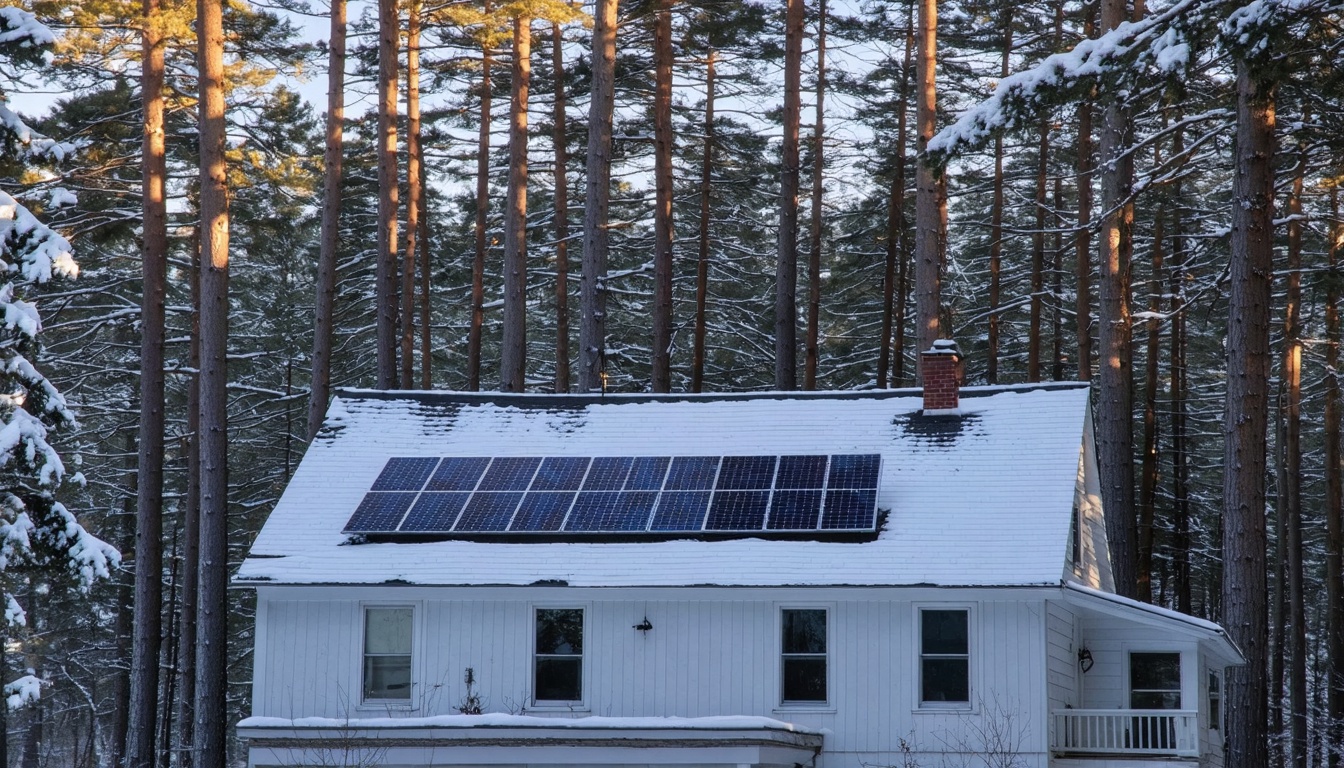
When considering solar energy in New Hampshire, it is essential to recognize that weather conditions significantly influence solar performance and investment decisions. Factors such as cloud coverage, snowfall, and temperature fluctuations can affect the efficiency of solar panels and, consequently, the return on investment. During the winter months, New Hampshire experiences considerable snowfall, which can obstruct solar panels and reduce their effectiveness. However, it is worth noting that solar panels often continue to generate electricity even in cloudy or snowy conditions, albeit at lower efficiency rates. Additionally, snow accumulation may slide off panels naturally due to their inclination, potentially mitigating some efficiency losses. Seasonal changes also bring variations in solar radiation. In summer, longer daylight hours and higher sun angles allow for greater energy production, while shorter days in fall and winter lead to decreased output. Thus, individuals investing in solar energy systems must take into account these seasonal changes when designing their systems and projecting energy generation. Moreover, local climate data should inform the selection of solar technology and system configuration. For example, the use of higher-quality solar panels that can better withstand cold temperatures and low light conditions may enhance performance throughout the year. In conclusion, a thorough understanding of New Hampshire's weather patterns is vital for effective solar energy planning. Potential solar energy investors should carefully assess local climate influences, as they will directly impact energy production and the economic viability of solar projects.
The Role of Seasonal Variability in Solar Output
In New Hampshire, solar energy development is notably impacted by seasonal variability, which directly influences solar output. During the winter months, solar energy generation tends to diminish due to shorter daylight hours and lower sun angles, leading to a greater reliance on conventional energy sources and an increase in overall energy demand.
Various stakeholders, including local municipalities, the New Hampshire Association, and entities within the renewable energy sector, track these fluctuations through comprehensive reports, press releases, and data analyses. An accurate understanding of these patterns is essential for effective energy planning and resource management.
To address the challenges posed by variable solar supply, several market strategies are implemented. These include net metering policies, the integration of battery storage solutions, and various national incentives designed to encourage investment in renewable energy.
Moreover, state policies and legislative changes are disseminated through multiple channels such as social media, user guides, and training resources to keep stakeholders updated on relevant developments.
For those interested in New England's solar initiatives, there are resources available that provide information on community programs and employment opportunities within the renewable energy sector. Interested individuals may reach out to appropriate organizations for further information and insights.
Winter Impacts on Solar Energy Production
When assessing solar energy production in New Hampshire during the winter months, it is important to consider several impactful factors. The combination of reduced daylight hours and increased cloud cover typically results in a significant decrease in solar output. This reduction can create discrepancies in energy supply, particularly as electricity demand often rises in the evening after sunset.
Additionally, snow accumulation on solar panels can further diminish their efficiency, leading to an increased dependency on energy storage solutions to meet demand. Reports from the New Hampshire Association and various industry sources indicate that these winter-related challenges are substantial and warrant consideration in solar project planning and management.
In response to these challenges, several strategies have been put in place. Mechanisms like net metering, alongside state incentives and enhanced training programs, have been developed to promote the adoption of renewable energy technologies.
Current resources, such as user guides and legislative updates, suggest that local municipalities and state lawmakers are actively working on strategies aimed at stabilizing the solar energy market in New England during the winter months.
In summary, while winter does pose distinct challenges to solar energy generation, the implementation of adaptive strategies and policies can contribute to maintaining a reliable energy framework in the region.
Municipal Strategies for Managing Weather-Driven Changes
Municipalities in New Hampshire encounter variations in solar energy generation due to seasonal changes. To ensure effective energy management, it is critical for local governments to adopt flexible strategies that can adjust to these fluctuations. One viable approach is the integration of battery storage systems, which can assist in stabilizing energy supply and enhancing reliability.
Additionally, local governments should explore available incentives and state policies that promote clean and renewable energy initiatives.
Navigating these challenges requires local governments to engage in advocacy through relevant associations, collaborate with industry stakeholders, and utilize comprehensive market reports and legislative resources available through the National Database. Implementing net metering and analyzing electricity usage data are essential for refining demand management strategies and improving service efficiency for their communities.
Furthermore, to support residents and businesses, municipalities should develop resources that include user guides, training sessions, press releases, and social media updates to enhance public awareness and engagement regarding energy management practices.
For further assistance, municipalities can maintain designated contact points for inquiries and guidance.
Copyright © New England, United States.
Advances in Forecasting and Grid Management
Grid operators in New Hampshire are encountering challenges stemming from the variable nature of solar energy production, influenced largely by weather fluctuations. Recent improvements in forecasting models and grid management systems have played a significant role in enhancing the reliability of the electrical grid.
Enhanced behind-the-meter (BTM) solar output estimates are now delivering real-time data, which contributes to more accurate predictions of electricity consumption within the state.
Engagement with ISO New England’s meteorological team facilitates the integration of accurate weather data into operational frameworks, thereby improving the effectiveness of clean energy integration.
Additionally, market incentives and recent legislative actions are encouraging necessary upgrades to the existing grid infrastructure. Local municipalities and community leaders are leveraging available resources, including reports, user guides, and databases, to develop more effective strategies regarding net metering and battery storage solutions.
In summary, these advancements are leading to a more resilient and efficient grid management system, better equipped to address the variability associated with solar energy generation.
Trends in Solar Adoption and Storage Solutions
Solar energy adoption in New Hampshire accounts for slightly over two percent of the state's total electricity generation. Recent governmental incentives, advocacy from different organizations, and legislative measures are beginning to influence the market positively and promote the integration of solar power alongside energy storage solutions, including detailed discussions on Solar Energy Storage in New Hampshire.
Local municipalities are increasingly recognizing the benefits of declining solar installation costs and are showing interest in battery storage systems to mitigate the challenges of winter weather variability and to effectively manage energy demand.
The growth of the solar industry is bolstered by various initiatives, including community solar programs, net metering policies, and renewable energy training efforts.
State-level policies and actions from the General Court have played a critical role in facilitating these developments, as evidenced by numerous reports and press releases.
Furthermore, resources such as the Database and User Guides are accessible to assist stakeholders in navigating the transition to cleaner energy solutions throughout New England, reflecting a sustained movement toward increased clean energy adoption.
Conclusion
When evaluating solar energy in New Hampshire, local weather is a significant factor that influences decision-making. Understanding how seasonal changes affect solar energy generation is essential. Winter weather, in particular, presents challenges such as snow accumulation on panels and reduced sunlight hours. To optimize performance in these conditions, solar system owners may need to consider specific strategies, such as ensuring panels are installed at an appropriate angle for snow shedding or investing in snow-clearing equipment. Additionally, knowing the state's policies regarding incentives for solar energy can impact financial decisions and system design. Technological advancements in forecasting have improved the ability to predict weather patterns, allowing for better management of energy production and consumption. Meanwhile, developments in energy storage solutions can enhance the reliability of solar systems during periods of low generation, such as cloudy days or winter months. Furthermore, continuous research and education on solar technology and local climatology can help stakeholders make informed choices regarding their investments. Adapting to weather variability is essential for maximizing the efficiency and longevity of solar energy systems in New Hampshire.


